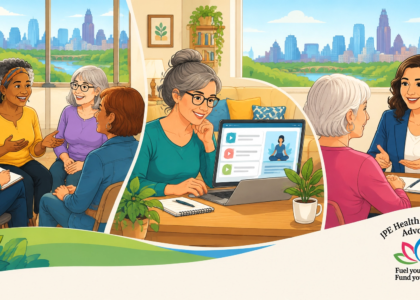


Women often balance demanding jobs, family needs, household duties, and personal goals. When these responsibilities pile up, even small problems can feel hard to handle. Stress management coaching for women offers guided support to recognise pressure, build healthier habits, and make better choices for everyday well-being.
Why Do Everyday Responsibilities Create Stress for Women?
Daily stress often grows when women have to manage several responsibilities without enough time to recharge. Work deadlines, family needs, money concerns, and personal expectations can compete for attention throughout the day.
Consider a woman who manages a full-time job while caring for her children and ageing parents. She may spend her lunch break paying bills, use her evenings for household tasks, and put off her own needs until the weekend. Over time, this pattern can leave her feeling tired and overwhelmed.
Some less obvious sources of pressure include:
- Making constant decisions for family members and work teams.
- Feeling responsible for keeping everyone else happy.
- Struggling to ask for help or share household duties.
- Worrying about career changes and financial stability.
- Having little time for hobbies, rest, or personal interests.
These challenges do not affect every woman in the same way. Therefore, stress management should start with her actual circumstances rather than a fixed set of rules.
Turning Daily Pressure Into Manageable Actions
Stress management coaching helps women break down difficult situations into smaller concerns and practical steps. Instead of trying to fix everything at once, they can identify what needs attention first.
A coaching session may begin with a review of daily habits, personal responsibilities, and common stress triggers. The coach can then help the individual set realistic goals and explore ways to manage her time and energy.
For example, a woman who feels overwhelmed by work requests may need clearer boundaries. She could discuss deadlines with her manager, organise tasks by importance, and avoid taking on extra duties without checking her schedule.
A useful coaching process can include:
- Identifying situations that create repeated pressure.
- Separating urgent tasks from those that can wait.
- Setting personal boundaries at work and home.
- Reviewing progress and adjusting goals when needed.
This approach makes coaching more personal than simply handing someone a list of relaxation tips. It also recognises that some problems need practical changes, not just a calmer attitude.
How Can Emotional Resilience Change the Way Women Handle Stress?
Emotional resilience helps women respond to setbacks without allowing one difficult moment to shape their entire day. It does not mean hiding feelings or pretending that everything is fine.
For instance, a woman may receive negative feedback at work and feel upset for hours. With greater self-awareness, she can recognise that reaction, consider whether the feedback offers useful lessons, and decide what to do next.
Emotional wellness and resilience also involve learning to recognise personal limits. Women can develop this awareness through reflection, journaling, supportive relationships, and healthy ways to express their feelings.
JPE’s Get the Stress Off Your Chest (GTSO) programme offers a practical way to organise mental clutter. Its structured six-week approach encourages participants to write down their concerns, sort them into groups, and decide which issues need action.
This process can help turn a confusing collection of worries into a clearer plan. However, wellness coaching does not replace therapy or treatment from qualified mental health professionals when someone needs clinical support.
Healthy Habits That Support a More Balanced Life
Nutrition, sleep, and movement support everyday well-being and give women a stronger foundation for handling demanding schedules. These habits work best when they fit naturally into daily life.
A woman who skips meals during work hours may struggle to maintain her energy. Someone who stays up late finishing household tasks may find it harder to focus the next morning. Small changes can help address these patterns.
Practical habits include:
- Prepare simple meals with vegetables, fruits, protein, and whole grains.
- Keep water nearby and drink it regularly.
- Take a short walk between work or household tasks.
- Follow a regular sleep schedule whenever possible.
- Make time for enjoyable activities without treating them as another duty.
A certified integrative nutrition coach can help women understand their food choices and develop realistic eating habits. The aim is not to follow a strict diet or chase perfection. It is to make daily health choices easier to maintain.
Building Financial Security Through the Four Pillars
JPE’s Four Pillars of Finances framework gives individuals and families a simple way to understand important parts of financial well-being. Like building a house, a sound financial foundation needs the right elements in place.
The four pillars include:
- Investment: Understand investment options and consider how they may support long-term financial goals.
- Emergency Fund: Build savings for unexpected expenses, income changes, or urgent family needs.
- Debt Management: Review outstanding liabilities, organise repayments, and work towards reducing debt.
- Protection: Explore ways to protect life, health, disability, income, and family needs.
Together, these pillars support four practical money habits: make money, save money, grow money, and protect your money.
Women should also consider future healthcare costs, long-term care needs, and legacy planning. These topics can help families prepare for later stages of life and make informed decisions about the future.
Financial education does not promise instant wealth or remove every money problem. Instead, it helps people understand their choices and take informed steps towards greater financial confidence.
What Makes Stress Management Habits Easier to Maintain?
A routine becomes useful when women can follow it even during busy or difficult weeks. An overly strict plan may create more pressure, so small and flexible changes often work better.
Start by choosing one area that needs attention. A woman who feels overwhelmed by household duties might ask family members to share tasks. Someone struggling with work pressure could set a clear time to stop checking emails.
Weekly reflection can also help. Reviewing personal commitments, spending habits, and upcoming responsibilities gives women a chance to adjust before problems pile up.
JPE’s HEART Method offers a broader personal development framework built around five stages: Heal, Energize, Align, Restore, and Transform. Its six-week structure connects personal growth, health habits, reflection, and financial awareness.
Unlike GTSO, which focuses on sorting concerns and mental clutter, HEART takes a wider view of personal development and lifestyle changes. Both approaches encourage individuals to take practical steps based on their own needs.
Wrapping Up
Better well-being involves more than reducing stress. It also means building healthy habits, understanding personal needs, managing money, and preparing for future responsibilities.
JPE Health & Wealth Advocates supports women and families through wellness education, nutrition coaching, stress management, and financial wellness guidance. Our approach connects personal well-being with budgeting, saving, financial protection, and long-term planning. Through stress management coaching for women, JPE encourages practical changes that support healthier routines, emotional balance, and greater confidence in managing life’s daily and future challenges. For more contact us.
Frequently Asked Questions
- What happens during stress management coaching for women?
Women explore personal stress triggers, discuss daily challenges, and develop practical habits to manage pressure more effectively.
- Can stress management coaching help women prevent burnout?
Yes. Coaching can help women recognise early signs of overload, set boundaries, and build routines that support recovery.
- How can women manage stress caused by financial worries?
Women can start with budgeting, reviewing debt, building emergency savings, and learning about long-term financial protection.
- How does journaling help women manage everyday stress?
Journaling helps women organise thoughts, identify recurring concerns, understand emotions, and decide which problems need attention.
- Is stress management coaching suitable for working women?
Yes. Coaching can help working women manage competing responsibilities, organise priorities, establish boundaries, and make time for personal well-being.