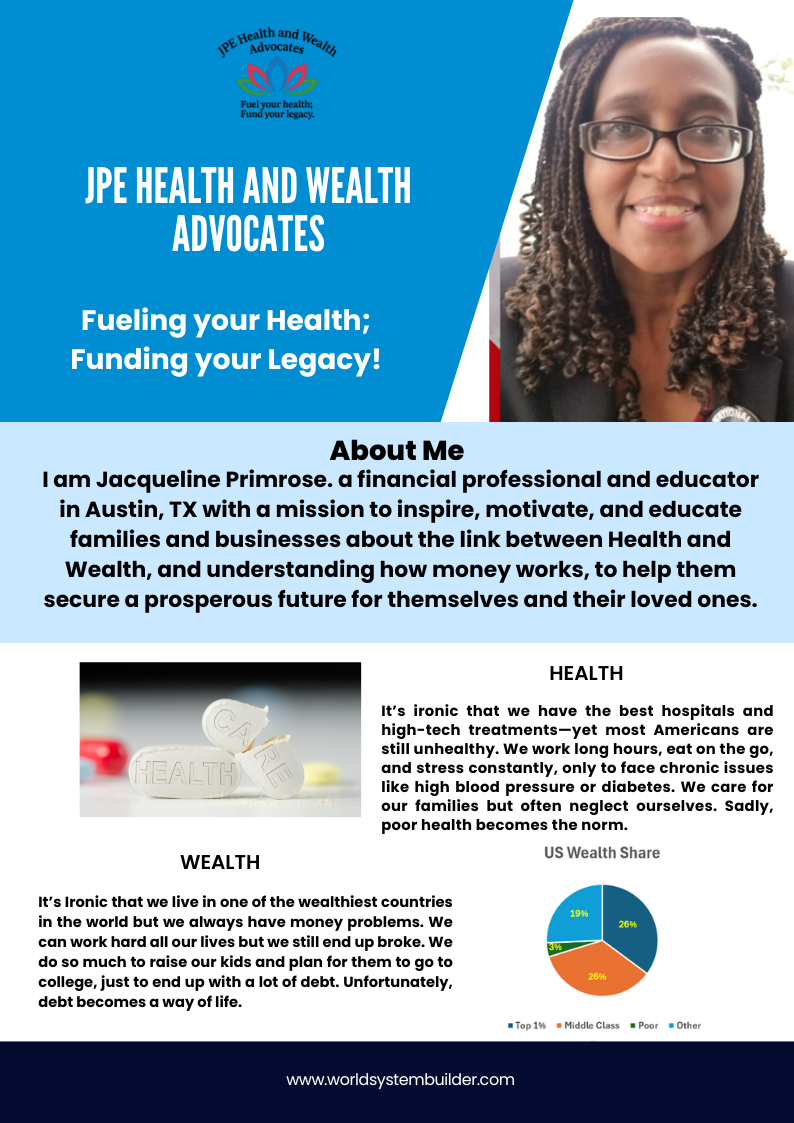
When we talk about living our best lives, we often put health in one bucket and wealth in another. We go to the gym to take care of our bodies, and we go to the office to take care of our bank accounts. But if you look closely at how our world actually works, those two buckets are connected by a heavy-duty pipe.
At JPE Health and Wealth Advocates, we’ve spent years watching how these two forces interact. What we’ve learned is that they aren’t just related: they are inseparable systems. Whether we are looking at an individual business owner in Austin or the national economy, health and wealth move in lockstep.
This isn’t just a philosophical idea. It is a measurable, structural reality that affects your everyday life, your community’s power, and your family’s legacy.
The Two-Way Street of Health and Wealth
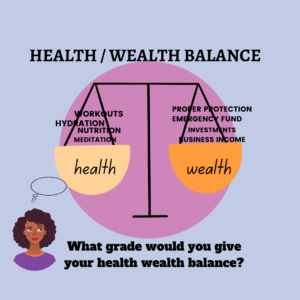
The relationship between your physical wellbeing and your financial retirement is a bidirectional street. This means that wealth creates health, and health creates wealth.
Think about it this way: when you have financial security, you have access to better nutrition, safer housing, and quality healthcare. You can afford the “preventive” side of life: the gym memberships, the organic groceries, and the regular check-ups that catch problems before they become crises. Research shows that individuals with higher wealth often live 10 to 15 years longer than those in lower-income groups.
But the reverse is also true. Your health is your most valuable engine for building wealth. When you are healthy, you are more productive. You have the energy to innovate in your business, the stamina to work toward your long-term goals, and you aren’t being drained by the staggering costs of chronic illness. Medical debt is one of the leading causes of bankruptcy in the United States. In this system, being healthy is a financial strategy.
Why This Matters for the African American Community
For the African American community, and specifically for Black women entrepreneurs, this connection is even more critical. Systemic inequities have historically created gaps in both health and wealth. These aren’t accidents; they are structural.
When we look at the wealth gap, we see a direct reflection in the health gap. Diversity in economic opportunity leads to diversity in health outcomes. When a community is denied access to fair lending or business capital, it isn’t just the local economy that suffers: it’s the actual heart rates and stress levels of the people living there.
We see this in “geographies of illness.” Some neighborhoods have plenty of banks and grocery stores, while others have “food deserts” and “banking deserts.” This lack of infrastructure makes it physically harder to stay healthy and financially harder to build a legacy.
The Politics of Wellbeing: Voting and Redistricting
It might surprise you to learn that your health and wealth are deeply tied to things like voting patterns and redistricting. But when you think about it, it makes perfect sense.
Power in a community is often measured by its economic output and its collective health. When communities are healthy and financially stable, they have more “civic bandwidth.” They have the time and resources to show up at town halls, to vote in every election, and to demand fair representation.
On the flip side, when a community is struggling with high rates of chronic disease and financial instability, its political voice can be dampened. Redistricting often follows the lines of economic power. By improving the health and wealth of a community, we are actually strengthening its political muscles. We are ensuring that the people who live there have the power to shape their own future.

For the Woman Business Owner: The “Hustle” Cost
If you’re a woman running her own business, you probably know the feeling of the “hustle.” You’re focused on the next contract, the next hire, and the next big milestone. But we have to talk about the price of pursuing wealth without a health plan.
Many entrepreneurs trade their health for their business growth. They skip sleep, eat on the run, and ignore stress. But this is a “debt” that eventually comes due. Stress and exhaustion can lead to declining health, which then forces you to take time away from your business. This is why we advocate for a holistic approach.
Managing your finance and your fitness shouldn’t be two different jobs. They should be part of the same routine. When you plan for retirement, you shouldn’t just be looking at a 401(k) balance. You should be looking at your mobility, your cognitive health, and your energy levels. What good is a robust retirement fund if you don’t have the health to enjoy it?
National Impact: The Economic Engine
On a national level, the connection is just as clear. A healthy nation is a wealthy nation. When large portions of the population are sidelined by preventable illnesses, the national economy loses billions in productivity.
Furthermore, the way we allocate resources as a country: from education to infrastructure: is an investment in the national “health-wealth” system. When we invest in community wellness centers or financial literacy programs, we aren’t just doing “good deeds.” We are building a more resilient and prosperous country for everyone.
Building Your Own Inseparable System
So, how do you start treating health and wealth as one system in your own life? It starts with a shift in mindset.
- Audit Your Assets: Look at your health and your bank account as two sides of the same coin. Are you investing in both?
- Set Long Term Goals: Don’t just save for the next year; plan for the next thirty. What does a healthy, wealthy “you” look like in 2056?
- Find Your Community: Surround yourself with other business owners who value wellbeing.
- Simplify: You don’t need a complex 50-step plan. Start with simple movements and simple savings habits.
Summary and Key Takeaways
The connection between health and wealth is the foundation of a thriving life and a powerful community. Here is what we want you to remember:
- They are a loop: Wealth provides the resources for health; health provides the energy for wealth.
- It’s structural: These systems are tied to community power, voting, and economic policy.
- Balance is key: For entrepreneurs, ignoring health is a financial risk.
- Start now: Small, consistent changes in both areas lead to massive long-term results.
“The first wealth is health.” : Ralph Waldo Emerson
“Health is like money, we never have a true idea of its value until we lose it.” : Josh Billings
Categories: Health, Wealth, Retirement, Finance, DiseasePrevention, Savings, Investments
Tags: #HealthAndWealth #AfricanAmericanBusiness #RetirementPlanning #DiversityInBusiness #LongTermGoals #JPEAdvocates
Ready to Align Your Systems?
Jackie Primrose
Owner, JPE Health and Wealth Advocates
Partner, World System Builder (WSB)
We are on a mission to provide 30 million families with a financial education by 2030 through our National Financial Literacy Campaign. Your journey to a balanced life starts with understanding the numbers and the lifestyle that supports them.
Connect With Us:
- Financial Mindset Survey
- Join Our Facebook Community
- Learn More About My Journey
- Free Workshop Registration
The S.U.C.C.E.S.S. Approach:
Strategic planning for your future.
Understanding your unique health needs.
Consistency in your financial habits.
Community support and advocacy.
Education on the latest wellness trends.
Stability through diverse investments.
Sustainability for a long, vibrant life.
Financial Disclaimer: JPE Health and Wealth Advocates provides educational content and advocacy. We are not licensed financial advisors or medical professionals. Always consult with a qualified professional regarding your specific financial or health situation.